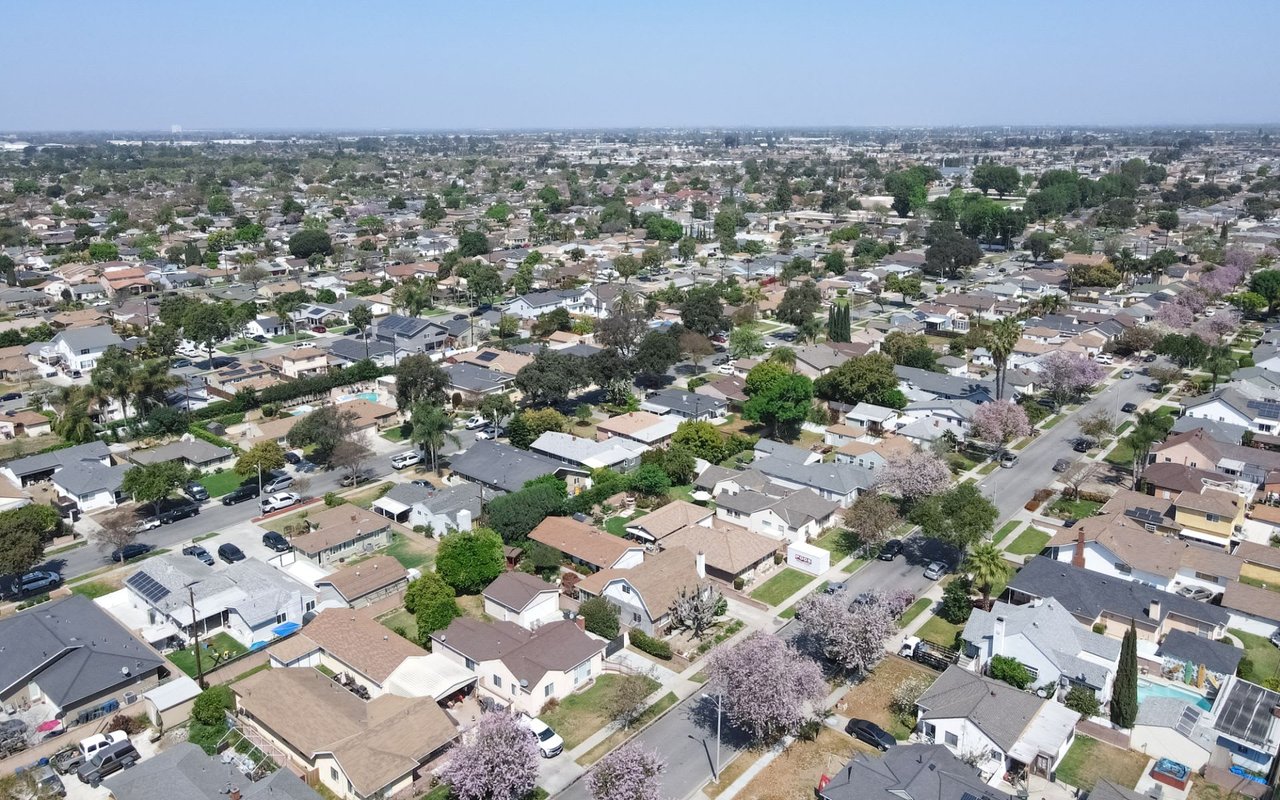
Living in Lakewood, CA: Homes, Neighborhoods, and Real Estate Opportunities
If you’re searching for a family-friendly city in Los Angeles County with well-established neighborhoods and strong real estate demand, Lakewood, CA is an excellent place to consider. Known for its planned community design, tree-lined streets, and convenient location, Lakewood continues to attract homebuyers looking for long-term value and a suburban lifestyle.
Lakewood is centrally located in Southeast Los Angeles County, bordered by Long Beach, Cerritos, Bellflower, and Cypress. Its prime location offers easy access to major freeways including the 405, 605, and 91, making commutes to surrounding cities, employment centers, and beaches convenient and efficient.
Residents enjoy proximity to shopping, dining, parks, and schools, as well as nearby coastal attractions just minutes away.
Lakewood Real Estate Market Overview
The Lakewood real estate market is primarily made up of single-family homes, many of which were built in the mid-20th century as part of one of the nation’s first large-scale planned communities. These homes are well-known for their practical layouts, generous lot sizes, and classic Southern California charm.
Homebuyers in Lakewood can find:
-
Single-Story Ranch-Style Homes – The most common home type, ideal for families and buyers seeking functional floor plans
-
Updated & Remodeled Properties – Many homes have been modernized with open layouts, upgraded kitchens, and energy-efficient features
-
Larger Custom Homes – Found in select neighborhoods such as Lakewood Country Club Estates
-
Condos & Townhomes – Limited availability, but an option for buyers seeking lower maintenance living
Because of consistent demand and limited inventory, homes for sale in Lakewood often sell quickly, making it a competitive but rewarding market for buyers and sellers alike.
Popular Lakewood Neighborhoods
Lakewood is made up of several distinct neighborhoods, each offering its own appeal:
These neighborhoods contribute to Lakewood’s reputation as a stable, community-oriented city with strong homeowner pride.
Why Buyers Choose Lakewood
Homebuyers are drawn to Lakewood for several key reasons:
-
Strong sense of community and neighborhood pride
-
Abundant parks and recreational facilities
-
Convenient access to major freeways and employment hubs
-
Close proximity to Long Beach, Orange County, and local beaches
-
Consistent long-term real estate value
Whether you’re a first-time buyer, growing family, or real estate investor, Lakewood offers a balanced mix of affordability, location, and livability.
Thinking About Buying or Selling in Lakewood?
If you’re considering buying or selling a home in Lakewood, CA, working with a knowledgeable local real estate professional can make all the difference. Understanding neighborhood trends, pricing strategies, and market timing is key to a successful transaction.