Living in Lakewood CA for Move-Up Homebuyers
Outgrowing a condo but want to stay close to Long Beach jobs, parks, and daily conveniences? You are not alone. Many Lakewood owners reach a point where an extra bedroom, a yard, and garage storage matter more than shared walls. In this guide, you will learn how Lakewood fits move-up buyers, what homes look like, how commutes and schools work, and how to plan your next step with confidence. Let’s dive in.
Lakewood sits just north and east of Long Beach with quick access to the 91, 605, and 405. The city’s postwar planning created an orderly grid of single-family streets with parks and shopping placed for easy car access. That design still helps daily life feel simple and predictable.
You also join a community where homeownership is common. About 71 percent of homes in Lakewood are owner occupied, and the population is roughly 78,500. The mean travel time to work is about 28.4 minutes, based on recent census data. You can confirm these city-level stats in the U.S. Census QuickFacts for Lakewood.
Lakewood’s civic setup is unique. As a “contract city,” many services are provided through Los Angeles County. Law enforcement is delivered by the County Sheriff’s Department via the local LASD Lakewood Station, and the contract-city model is part of the city’s identity and service structure.
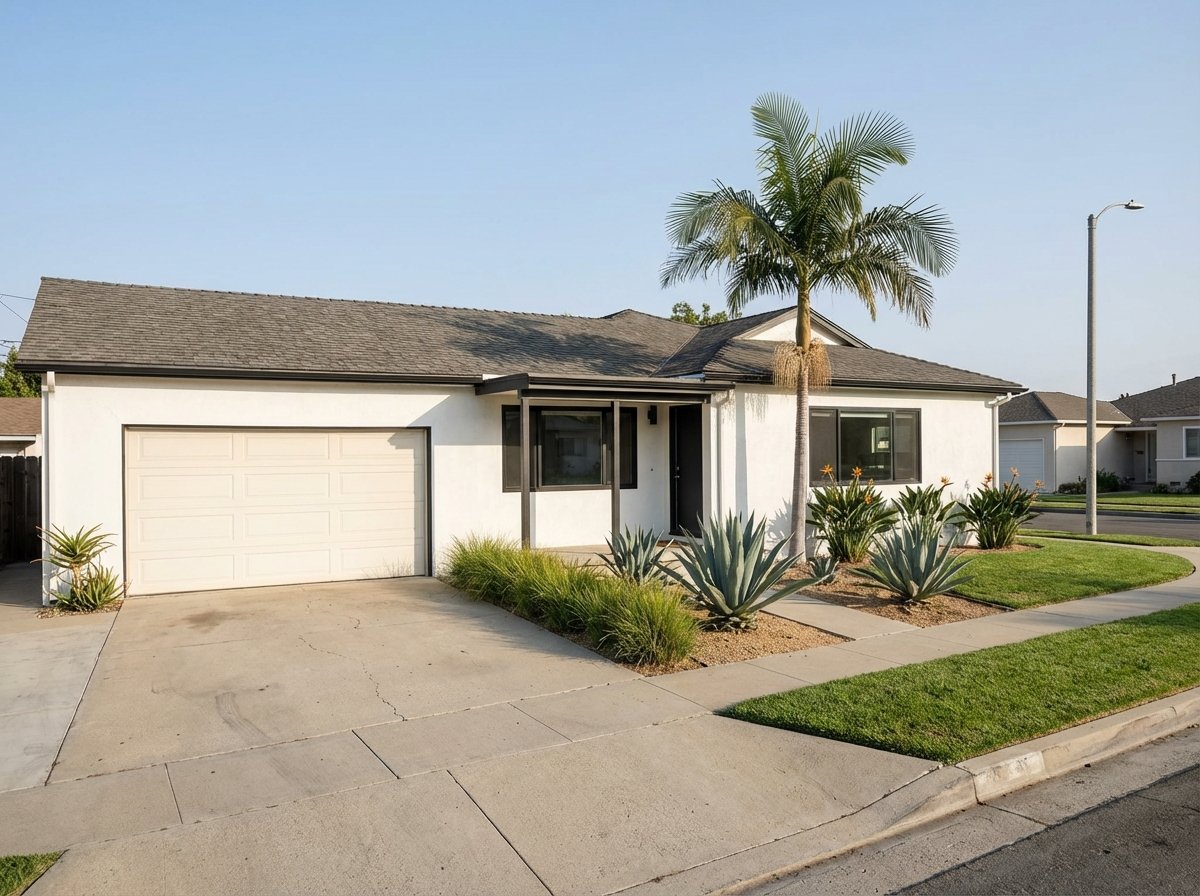
Most Lakewood homes were built in the 1950s and later as modest ranch, Cape Cod, or mid-century styles. Over time, many have been expanded or updated. You will see a mix of fully remodeled properties, tasteful mid-century refreshes, and original-condition homes that are ready for modernization.
Lots are suburban but not oversized. Expect practical parcels that fit a yard, patio, and garage rather than estate-scale land. Always confirm lot size and house square footage on the listing to make sure it fits your goals.
When you move from a condo to a single-family home in Lakewood, you typically gain:
Most older single-family homes do not sit within large HOAs. If a property is in a gated enclave with an HOA, verify the dues and rules before you write an offer.
Neighborhoods like Lakewood Village, Rancho Estates, and the El Dorado Park areas often trade above the city median, while sections in eastern Lakewood and older tracts can be more affordable. As of January 2026, Zillow’s citywide Home Value Index for Lakewood is roughly 859,000 dollars. In practice, single-family homes commonly sell from the mid to high 700,000s into the low 1 millions, depending on size and location. Use recent neighborhood comps to set precise expectations for your target blocks and floor plans.
Lakewood’s central retail hub at Lakewood Boulevard and Del Amo is minutes from the 91, 605, and 405. That gives you multiple route choices to Long Beach, the South Bay, Orange County, and central Los Angeles. While every commute is unique, the city’s census-reported mean travel time is about 28.4 minutes. Test your exact route during peak hours to get a realistic read.
For a sense of the commercial core and its proximity to major corridors, review the city’s overview of the Lakewood Center area.
Long Beach Transit and LA Metro bus lines serve major Lakewood corridors and the mall area, providing connections into Downtown Long Beach and to rail transfer points. From there, the Metro A Line runs between Long Beach and central Los Angeles. If you plan to commute by transit, map the bus-to-rail steps and check current schedules before you buy.
The city operates a robust parks and community system, including Mayfair Park, Monte Verde, Rynerson Park, a community aquatics program, and the Lakewood Equestrian Center. Seasonal programs and family activities are a draw if you want recreation close to home.
Lakewood Center at Lakewood Boulevard and Del Amo is a practical anchor for groceries, services, dining, and big-box retail. You can browse the tenant mix and hours on the Lakewood Center website.
Lakewood addresses map to different school districts. Depending on location, homes can be served by ABC Unified, Bellflower Unified, Long Beach Unified, or Paramount Unified. Attendance areas change, so verify the specific school assignment for any listing using the city’s Schools and Libraries page and the district boundary tools.
Law enforcement in Lakewood is provided by the Los Angeles County Sheriff’s Department under contract. You can view community programs and neighborhood-level crime mapping tools from the LASD Lakewood Station.
If you want rental income or space for extended family, consider an accessory dwelling unit. Lakewood provides ADU guidance and a streamlined review consistent with California law. Before you buy, take these steps:
Most buyers see a cost jump when moving from a condo to a single-family home in Lakewood. Start by estimating net proceeds from your current condo sale and adding your cash on hand. Then benchmark target neighborhoods with recent comps so you can refine your search range by bedroom count and lot size.
Older homes can be great move-up opportunities, but plan for due diligence. Order a full home inspection and, as needed, separate evaluations for:
If you intend to remodel, obtain at least one contractor walk-through and a written estimate during contingencies. Budget for upgrades that improve daily living, like kitchen and bath updates, windows, and energy efficiency.
Property taxes are based on your purchase price plus any local assessments. Before you write an offer, ask your lender for a complete monthly payment estimate that includes principal, interest, taxes, insurance, and, if applicable, HOA dues. For parcel-level tax details, verify with the Los Angeles County Assessor and review the preliminary title report during escrow.
A successful move-up hinges on clear pricing, clean execution, and steady communication. Our team pairs neighborhood expertise with investment-grade analysis, including ADU feasibility, accurate comping, and inspection planning. If you are considering a move within Lakewood or from a Long Beach condo into a Lakewood single-family home, let’s build a plan that fits your timeline and budget. Schedule a Strategy Call with Johnathon Cardwell.
Links for reference:
We pride ourselves in providing personalized solutions that bring our clients closer to their dream properties and enhance their long-term wealth. Contact us today to learn how.