Lakewood Or Long Beach? Choosing The Right Community
If you are deciding between Lakewood and Long Beach, you are not just comparing two nearby cities. You are choosing between two very different living patterns, housing mixes, and day-to-day rhythms. The good news is that both offer strong options, and once you understand how each community is built, your decision gets a lot clearer. Let’s dive in.
Lakewood and Long Beach sit side by side, but they feel different because they were planned differently. Lakewood covers about 9.5 square miles and is largely made up of single-family detached homes. Long Beach spans about 50 square miles and includes a much broader mix of housing, business districts, waterfront areas, and neighborhood types.
In simple terms, Lakewood tends to offer a more consistent suburban pattern. Long Beach gives you more variety from one area to the next. That single difference shapes how buyers usually compare the two.
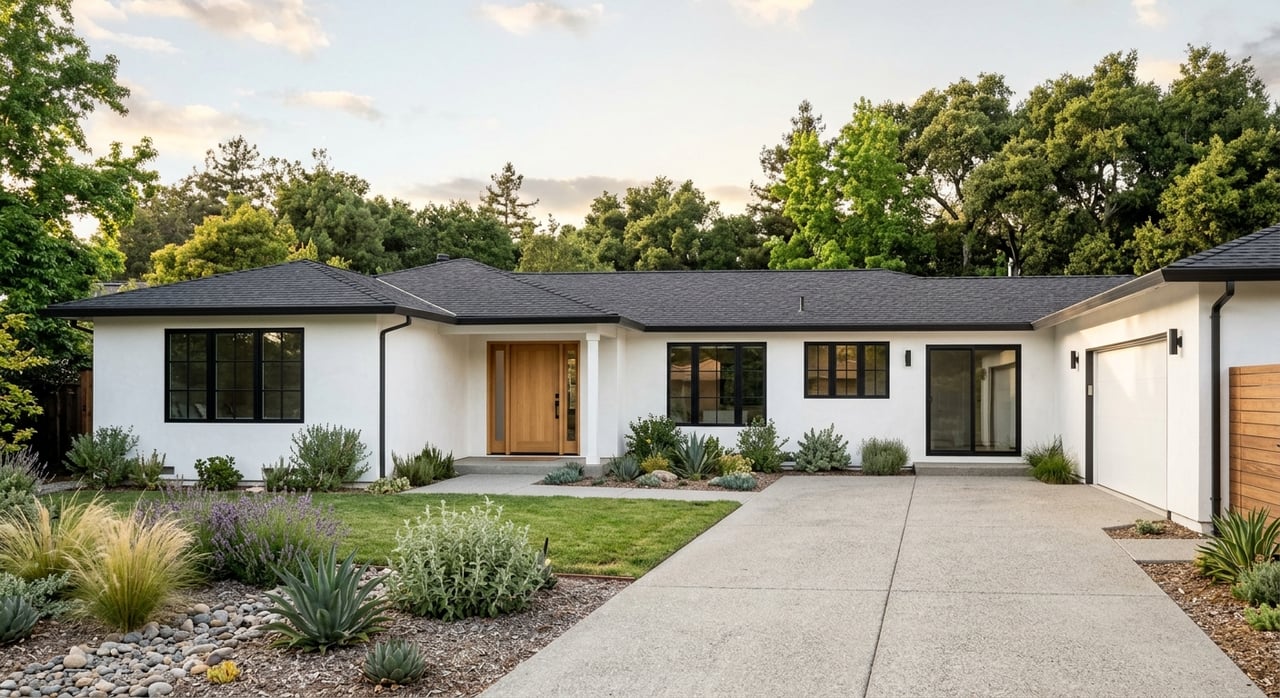
Lakewood says about 85% of its housing units are single-family detached. That makes it one of the clearer detached-home markets in the area. If you want streets that are mostly lined with similar home types and a more predictable residential feel, Lakewood stands out.
The city also notes that new R-1 subdivisions require a 6,000-square-foot minimum lot size. At the same time, Lakewood allows ADUs and garage conversions under state law, even though the city says lot splits can be difficult because many lots are relatively small. For buyers, that means the city still functions mostly like a traditional detached-home market rather than a redevelopment-focused one.
Long Beach has a more diverse housing stock. Its housing element says multi-family housing makes up about half of the city’s housing, and its zoning includes small-lot single-family, low-density multi-family, and mixed-use districts. You can find everything from condos and apartments to postwar single-family neighborhoods and larger estate-style lots in some areas.
The city is also actively rezoning to support its long-term land use and housing plans, especially near jobs and higher-quality public transportation. For you as a buyer, that means Long Beach can offer more options if you want a certain housing type, price point, or urban layout.
If your top priority is a more classic detached-home setting, Lakewood may feel easier to understand at first glance. If you want a wider menu of housing choices and are open to comparing very different neighborhood types, Long Beach may offer more possibilities. Neither is automatically better. It depends on how you want to live.
Lakewood’s identity is strongly tied to neighborhood streets, parks, and open space. The city highlights tree-lined streets, family recreation, and about 150 acres of parks and landscaped open space. Its park system includes neighborhood parks, community centers, and larger spaces such as Rynerson Park and Monte Verde Park.
That creates a more continuous residential feel across much of the city. As you move through Lakewood, the pattern tends to repeat itself in a way many buyers describe as organized and suburban.
Long Beach is more mixed in both layout and identity. Its general plan organizes land use around district character, mix of uses, and different levels of density and intensity. In everyday terms, that means one part of the city may feel coastal and active, while another may feel residential and quiet, and another may center around a neighborhood commercial corridor.
The city also has clearly defined activity areas such as Downtown Long Beach, Belmont Shore’s Second Street, The Pike, and Retro Row. That variety gives Long Beach a broader lifestyle range, but it can also mean the experience changes more block to block.
Lakewood works well for buyers who expect to drive most of the time. The city notes that Long Beach Transit serves Lakewood, and that routes connect residents to the Metro A Line station near Del Amo and to other regional transit connections. Still, the larger transportation pattern is closely tied to freeway access.
Lakewood Center sits within about two miles of the 91 Freeway and within about three miles of the 605 and 405 Freeways. If easy freeway access is a major part of your daily routine, that can be a meaningful advantage.
Long Beach has a broader transportation network. The city points to access that includes Long Beach Transit, Metro Rail, Amtrak, and Metrolink connections through the wider system. It also offers LB Circuit micro-transit service and a substantial bikeway network, including the 3.1-mile Shoreline Pedestrian Bikepath and more than 60 additional miles of Class I bike paths.
If you want more options beyond driving, Long Beach may be the stronger fit. That does not mean every neighborhood works the same way, but citywide it provides more mobility choices.
Lakewood’s retail life is anchored by Lakewood Center, which the city describes as a 2,033,670-square-foot regional mall with major retail tenants. The city also highlights a weekly farmers market and a restaurant row. For many residents, convenience is concentrated around a few major destinations rather than spread across many separate districts.
On the recreation side, Lakewood also connects to the San Gabriel River trail. The city notes that the route puts Lakewood only seven traffic-free miles from the ocean, which adds a nice outdoor option for biking and recreation.
Long Beach has a broader amenity base and a more destination-driven setup. The city highlights beaches, marinas, shoreline bike paths, and a larger waterfront and park system. It also describes the Downtown Shoreline area as a mix of residences, offices, hotels, restaurants, marinas, shoreline parks, and beaches.
Commercial activity is spread across multiple districts rather than one main retail hub. That can be a plus if you want access to a wider mix of dining, shopping, and waterfront experiences in different parts of the city.
Citywide numbers are useful, but they need context. According to Realtor.com’s March 2026 market summaries, Lakewood had a median listing price of $899,900 and a median 36 days on market. Long Beach had a median listing price of $739,000 and a median 43 days on market.
Those same summaries described both markets as seller’s markets. Lakewood’s median listing price was up 6.18% year over year, while Long Beach’s was down 3.90% year over year. On a citywide listing basis, Lakewood looked tighter.
Long Beach is a blended market with very different submarkets inside one city. The research shows neighborhood medians ranging from about $442,000 in West Village to $1.45 million in Belmont Shore. That is a huge spread, and it tells you that the citywide median only gives part of the picture.
Lakewood also has neighborhood variation, but the range is narrower and easier for many buyers to interpret. In the same reporting, Lakewood neighborhood medians ranged from about $707,450 in Eastern Lakewood to $1,035,000 in Lakewood Park.
Lakewood may be the better fit if you are looking for:
Long Beach may be the better fit if you are looking for:
The clearest way to think about this decision is simple. Lakewood is the more uniform detached-home suburb with a centralized retail core and a park-oriented neighborhood structure. Long Beach is the more varied city, with broader housing options, more district identity, stronger multi-modal transportation choices, and a larger amenity landscape.
If you already know you want a more traditional suburban setup, Lakewood may feel like the natural match. If you want more flexibility in housing, lifestyle, and neighborhood character, Long Beach may give you more room to choose.
A smart move is to compare not just city names, but your actual daily priorities. Think about the kind of home you want, how often you drive, how important walkability or transit is to you, and whether you prefer consistency or variety. If you want help narrowing that down with a clear, data-informed strategy, Johnathon Cardwell can help you compare your options and move forward with confidence.
We pride ourselves in providing personalized solutions that bring our clients closer to their dream properties and enhance their long-term wealth. Contact us today to learn how.