Buying A Classic Ranch Home In Lakewood
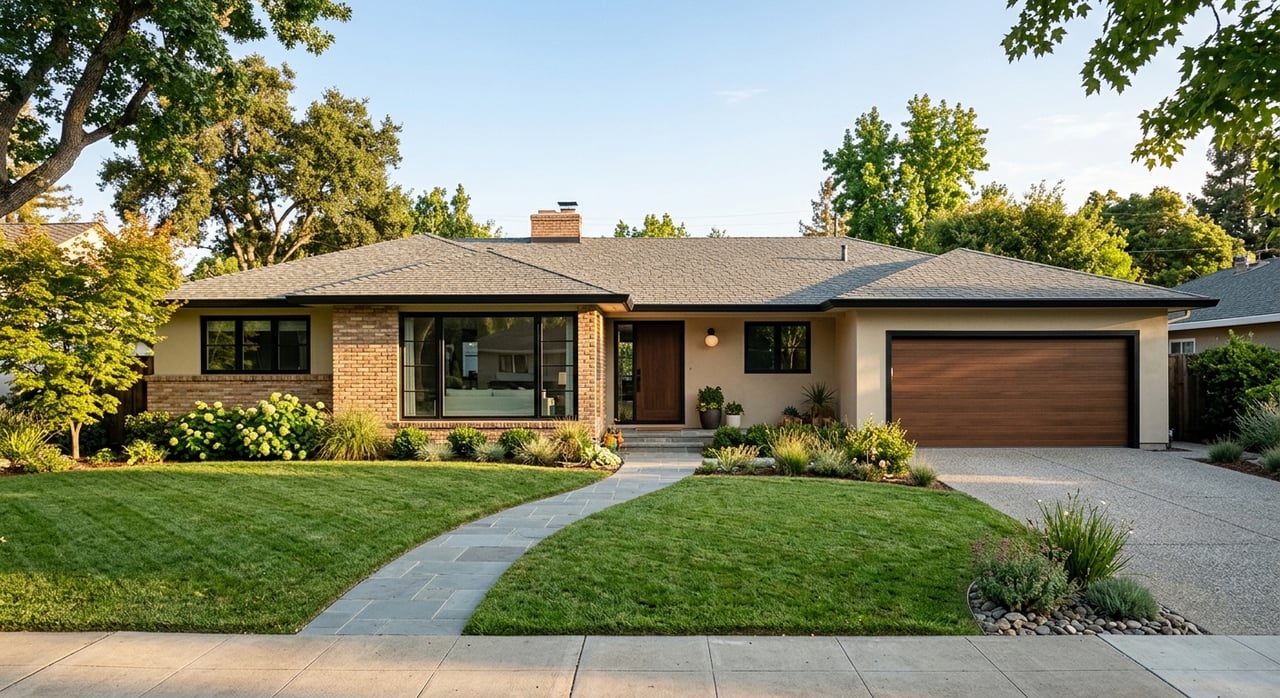
Thinking about buying a classic ranch home in Lakewood? You are not alone. These homes have lasting appeal because they offer practical layouts, established neighborhoods, and a piece of Southern California postwar history. If you want to understand what makes Lakewood ranch homes unique, what to inspect closely, and how to compete wisely in today’s market, this guide will help you move forward with more confidence. Let’s dive in.
Lakewood is known for its strong postwar roots. According to the city’s history, about 17,500 homes were built from 1950 to 1953, and the city’s 2025 fair housing analysis estimates that 62.3% of Lakewood’s housing stock was built in the 1950s. The same analysis notes that about 95% of the city’s housing is more than 30 years old.
That age profile matters when you shop for a home here. Lakewood has been essentially built out since 1970, which means the supply of classic ranch homes is limited. When you buy in Lakewood, you are often choosing from a finite pool of older homes rather than a steady stream of new construction.
Many of Lakewood’s original homes were architect-designed by Paul J. Duncan, AIA. The city says the first phase used 13 basic floor plans with four variations each, giving the area a consistent feel while still allowing some visual variety from street to street.
These early homes were modest in size. Original models ranged from an 825-square-foot two-bedroom home to a 1,050-square-foot three-bedroom home. Period details highlighted by the city included cedar-shingle roofs, hardwood floors, bay windows, and thoughtful storage, patios, and landscaping.
For today’s buyer, that means a classic ranch in Lakewood often blends efficient design with mid-century charm. You may find a home that still holds many original features, or one that has been updated over time to better fit modern living.
Lakewood’s classic ranch neighborhoods tend to follow a regular tract pattern. The city explains that the street grid was shaped by the flood plain, and curving streets would have interfered with runoff. That helps explain the straightforward layout that still defines many parts of the city.
Lot sizes are usually practical rather than oversized. Current subdivision standards require at least 6,000 square feet for new R-1, R-A, and A subdivisions, but representative listings for classic homes show parcels such as 5,002, 5,615, 5,650, 6,001, 6,140, and 7,585 square feet. In simple terms, you should expect modest suburban lots, not estate-style properties.
That lot profile can still offer useful outdoor space. For many buyers, a Lakewood ranch provides enough room for a yard, patio area, storage improvements, or future planning, depending on the specific property and city review requirements.
Because many original Lakewood homes started under 1,100 square feet, layout matters a lot. Some buyers love the efficient footprint and want a home that feels true to its original design. Others want extra space for a larger kitchen, an added family room, or a more flexible work-from-home setup.
That is why it is common to see homes that have been modernized or expanded. Lakewood reports 320 ADUs built, 349 in process, and 22,708 single-family residences. The city’s ADU guidance also notes that detached ADUs, garage conversions, and room conversions may be possible, with plan review used to evaluate architectural compatibility.
If future flexibility matters to you, it helps to look beyond the current floor plan. A disciplined home search can include not only what the home is today, but also how the lot, garage, and existing improvements may support your long-term goals.
A classic ranch can be a smart buy, but age should shape your due diligence. A general home inspection is the starting point. HUD says a home inspector typically reviews the structure, electrical system, plumbing and waste disposal, water heater, insulation and ventilation, HVAC, water source and quality, pests, foundation, doors, windows, ceilings, walls, floors, and roof.
That checklist is especially relevant in Lakewood because so much of the housing stock dates back to the 1950s. Condition can vary widely from one property to the next. Two homes with similar square footage and similar curb appeal may have very different maintenance histories.
In Lakewood, sewer and water lines deserve close review. The city says most 1950s homes were built with underground clay sewer pipes and metal water service pipes that can shift, crack, and leak over time. The city also notes that homeowners are usually responsible for the line from the house to the main.
For a buyer, that makes sewer scoping and water-line review especially important. These issues are not always obvious during a casual showing, but they can affect repair costs and your overall ownership experience.
Lakewood’s age also places many homes in the lead and asbestos era. The EPA says homes built before 1978 are more likely to have lead-based paint, especially when paint is peeling or renovations disturb it. The agency also says asbestos-containing materials should be left alone if intact, but should be evaluated by a trained professional if damaged or likely to be disturbed.
This does not mean every older home is a problem. It does mean you should understand what materials may be present and how planned renovations could affect your next steps.
If you are buying an older wood-frame home, seismic upgrades matter too. California Earthquake Authority guidance says homes built before 1980 with raised foundations may qualify for retrofit-related discounts when cripple walls are braced and the water heater is secured.
When touring homes, it is smart to ask whether the property has been bolted, braced, or otherwise upgraded. Even basic earthquake-related improvements can be meaningful in an older California home.
Lakewood’s current market remains competitive. In Redfin’s latest reading for the three months ending May 2026, the median sale price was $904,459. Homes received four offers on average, sold in about 28 days, and averaged about 1% above list price.
That pace tells you something important. In a market like this, classic ranch homes that show well and present clean inspection profiles can attract strong interest quickly.
Lakewood also sits in an interesting position compared with nearby cities. The latest Redfin readings show Bellflower at a median sale price of $794,525 and Long Beach at $860,556, while Cerritos was higher at $1,189,288. Lakewood sits above Bellflower and Long Beach, but below Cerritos, which can make it appealing for buyers seeking a balance of location, housing stock, and price point.
Because Lakewood is built out and its ranch housing supply is limited, buyers often focus on more than the list price. Condition, upgrades, and inspection findings can heavily shape value.
A home with updated systems, a strong maintenance record, and thoughtful improvements may justify stronger demand. On the other hand, a home that looks appealing at first glance but has sewer issues, deferred maintenance, or unknown renovation risks may require a different pricing strategy from a buyer’s point of view.
This is where a disciplined approach helps. You are not just buying square footage. You are buying a combination of location, physical condition, lot utility, and future flexibility.
When touring classic ranch homes in Lakewood, focus on the details that shape everyday livability and long-term cost.
Here are a few smart things to watch for:
A careful search can help you avoid surprises and identify homes with real upside. In a neighborhood with many similar-era properties, small differences in upkeep and planning can create a big difference in value.
Buying a classic ranch home in Lakewood is part lifestyle decision and part property analysis. You are choosing a home style with history, but you are also evaluating an older structure in a competitive market. That combination calls for both excitement and discipline.
The right strategy is usually simple. Move quickly when a strong home comes to market, inspect thoroughly, and weigh the cost of future improvements before you commit. With a clear plan, you can buy a home that fits both your budget and your long-term goals.
If you are considering a classic ranch in Lakewood and want a more strategic view of value, condition, and future potential, connect with Johnathon Cardwell to schedule a strategy call.
We pride ourselves in providing personalized solutions that bring our clients closer to their dream properties and enhance their long-term wealth. Contact us today to learn how.